The Best Cooking Essentials: Must-Have Tools for Every From Scratch Kitchen
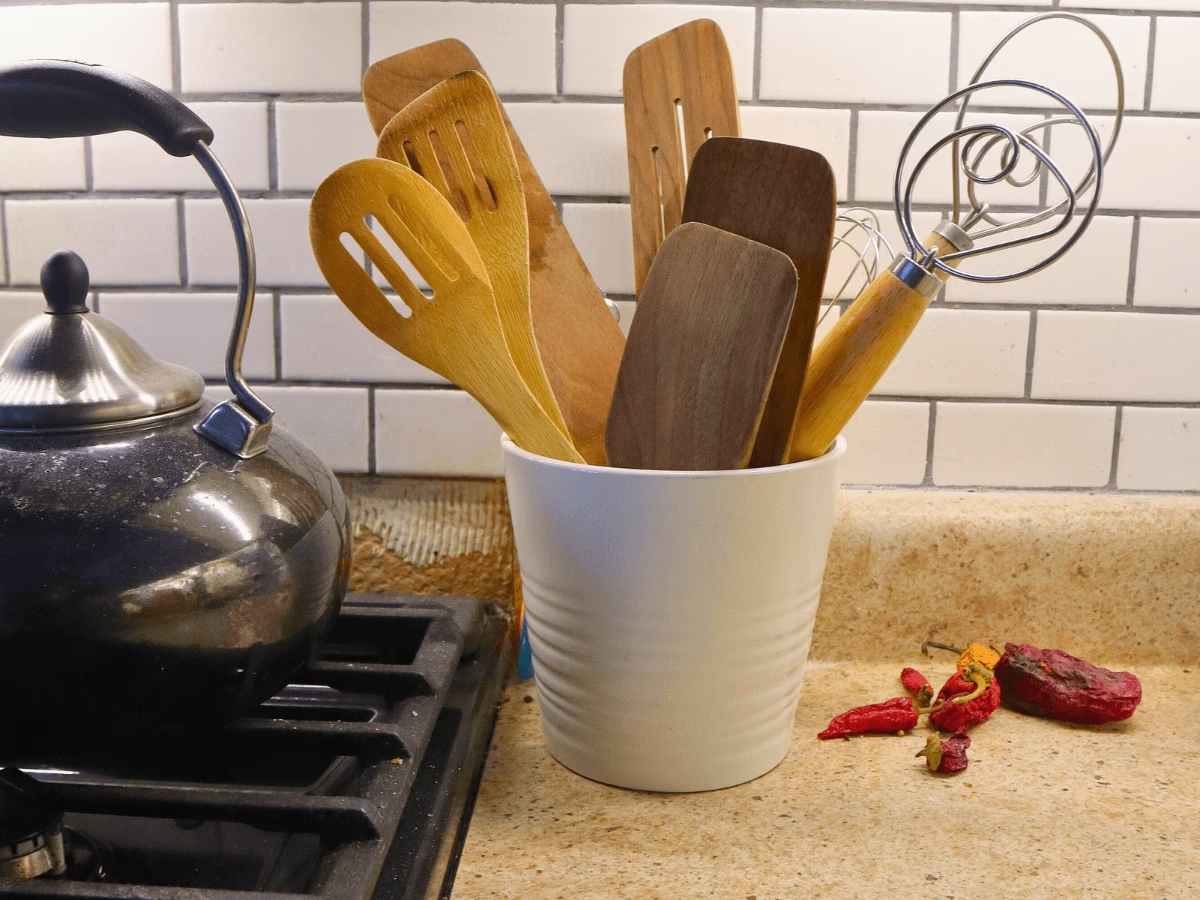
Having the right kitchen tools makes all the difference when trying to cook and bake at home. This is especially important when focusing on from-scratch cooking. Having the right cooking essentials helps to save time and frustration. It also improves your cooking results and makes the whole experience more enjoyable.
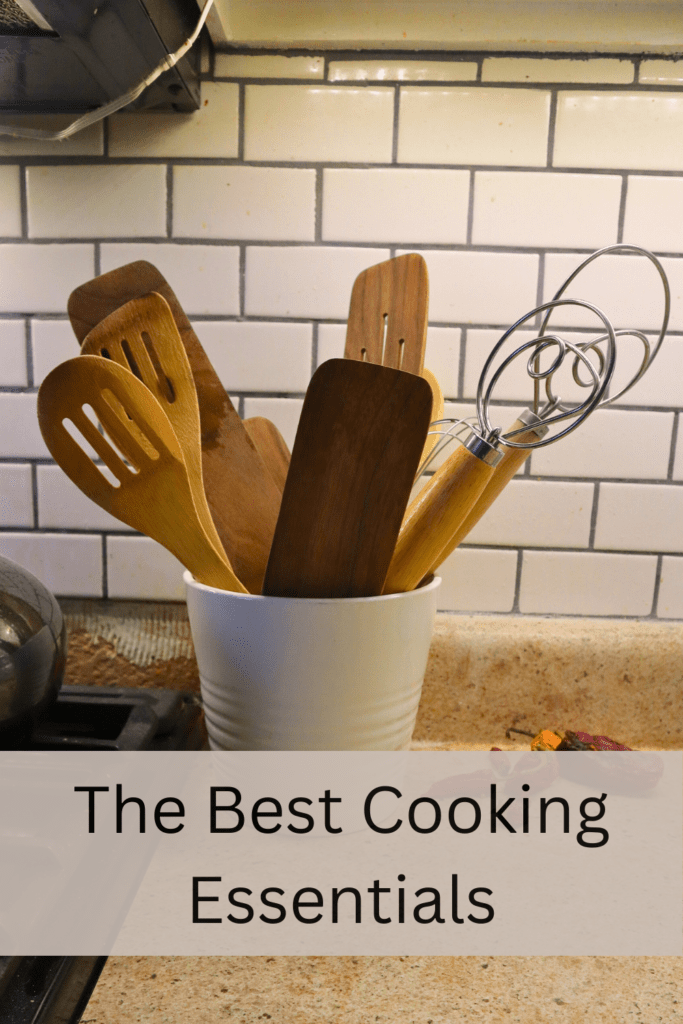
This post is all about the best cooking essentials that every from scratch kitchen needs.
This post contains affiliate links. When I suggest products, and you purchase something using my link, I will receive a commission at no extra cost to you.
Why Investing in Quality Cooking Essentials Matters
Investing in quality kitchen equipment matters for three main reasons:
- Durability: Tools that last for years save money in the long run.
- Improved Efficiency: Right tools simplify cooking tasks.
- Elevated Cooking Results: Achieve better texture, flavor, and presentation.
The Ultimate Cooking Essentials Checklist
A. Knives
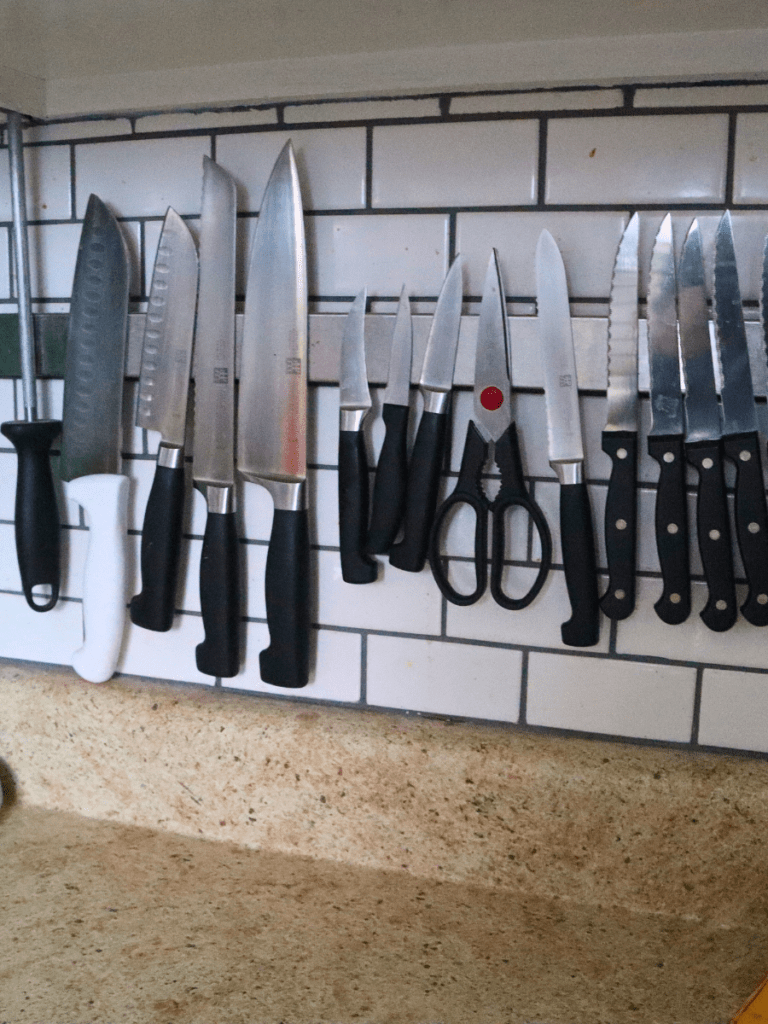
- Chef’s knife: The workhorse of the kitchen. I personally love my Santoku knife. It is very useful in cutting up many different things!
- Kitchen Shears: For small, precise tasks.
- Bread knife: Essential for slicing bread and delicate pastries.
B. Cookware
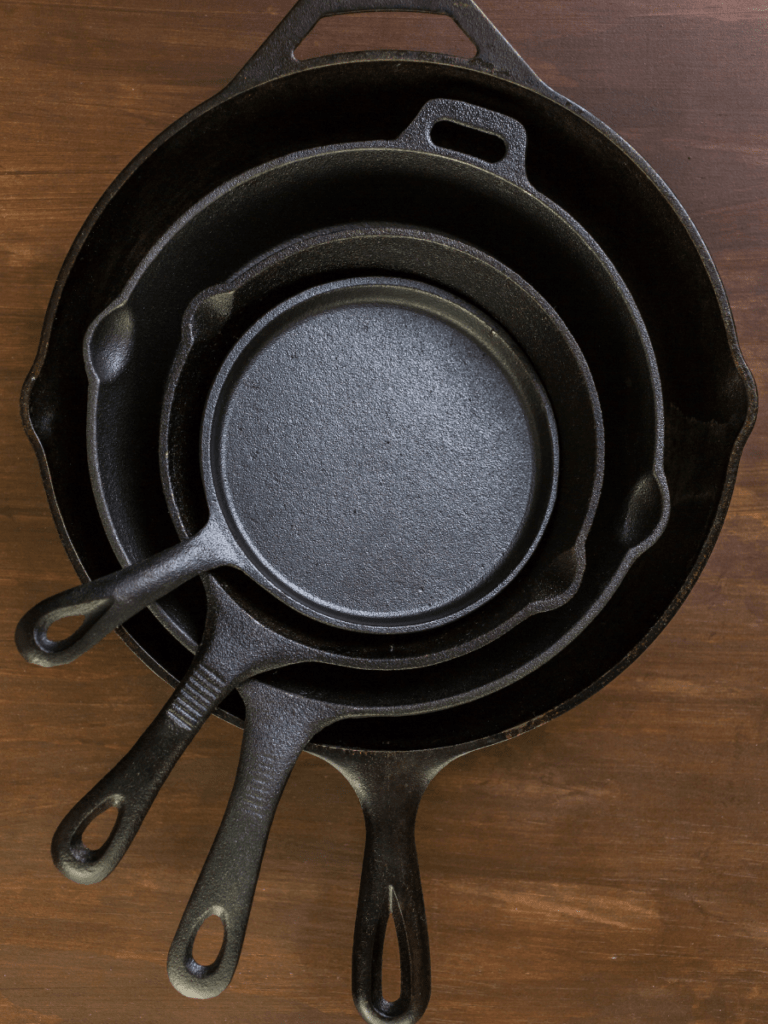
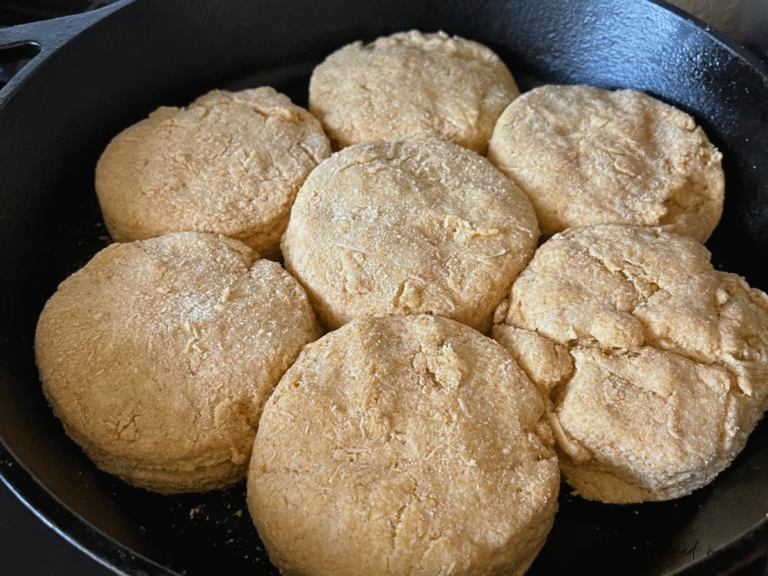
- Cast iron skillet: Perfect for searing, frying, and baking.
- Nonstick skillet: Great for eggs, pancakes, and delicate foods.
C. Bakeware
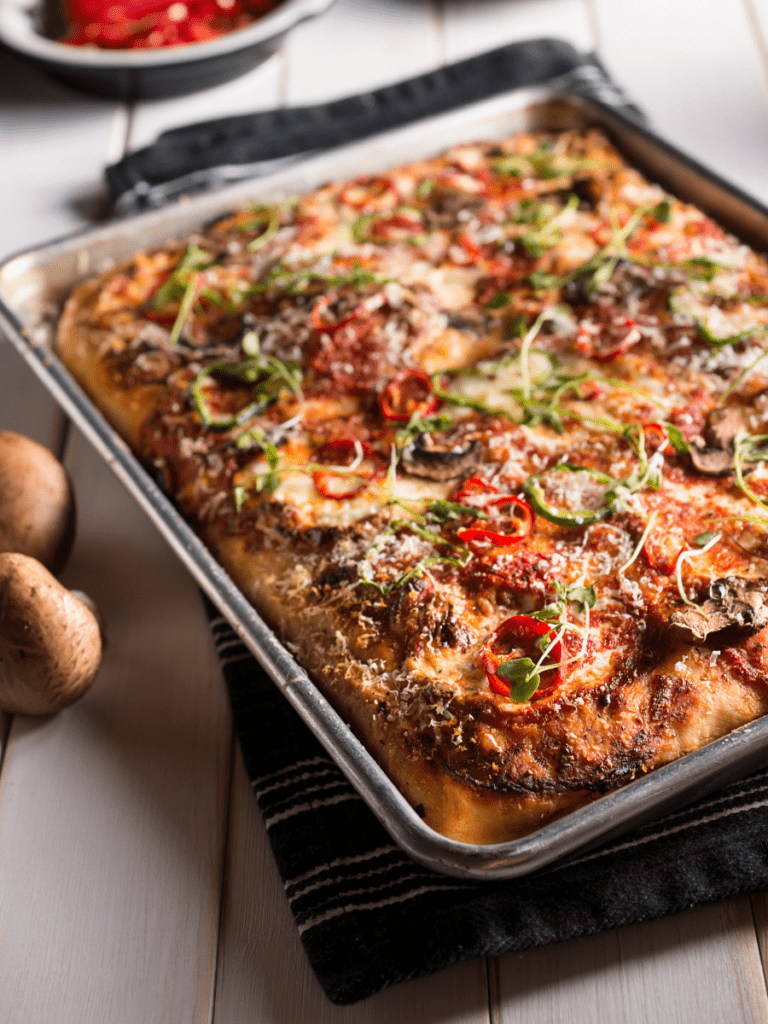
- Sheet pans: For roasting, baking, and meal prep.
- Glass baking dishes: Versatile for casseroles and baked goods.
D. Utensils
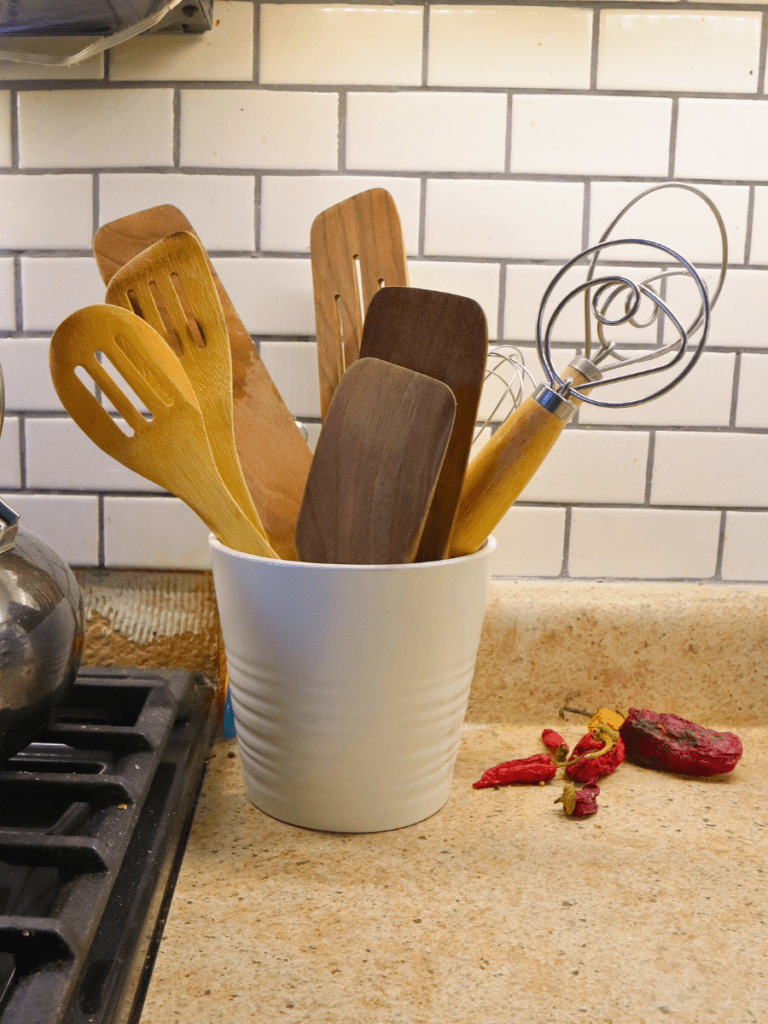
- Wooden spoons: Gentle on cookware and versatile.
- Silicone spatula: Heat-resistant and great for scraping bowls.
- Whisk: For sauces, dressings, and batters.
E. Small Appliances
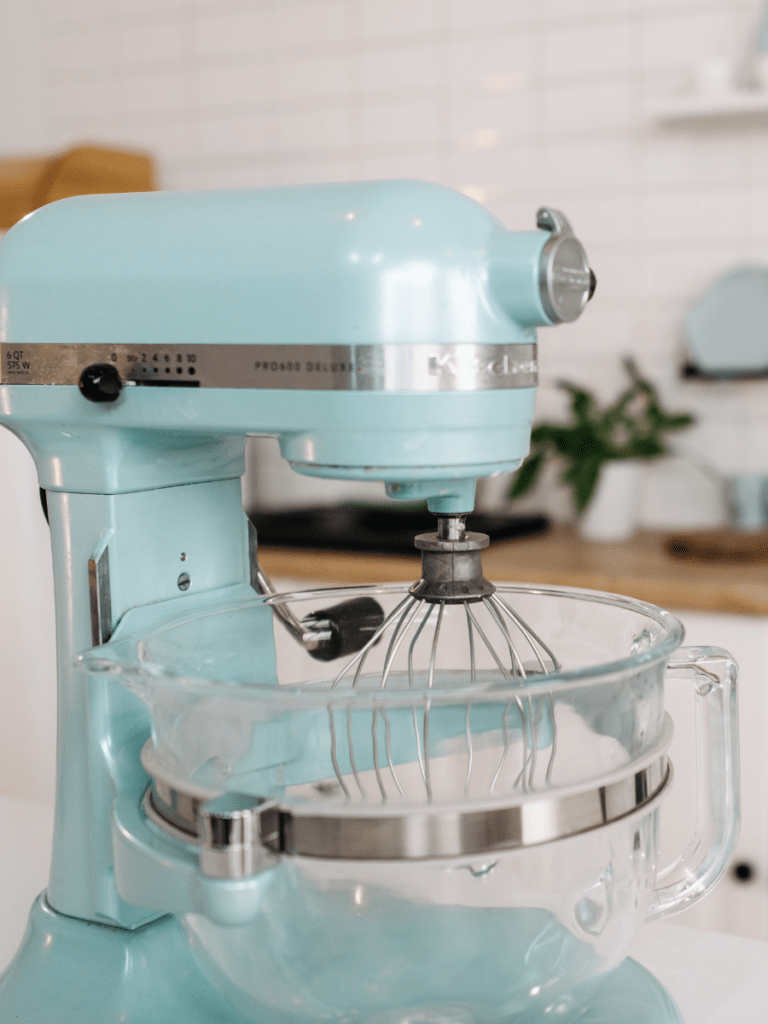
- Kitchen aid Stand mixer: A game-changer for baking and mixing large batches.
- Vitamix blender: Perfect for smoothies, soups, and sauces.
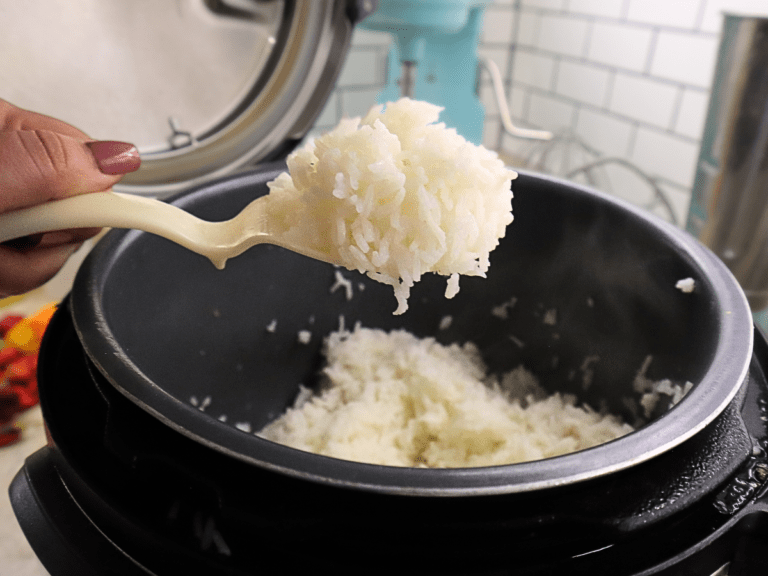
- Instant Pot: Perfect for cooking frozen meat when you forgot to thaw it and cooking perfect rice.
- Immersion Blender: Perfect for blending soups, Making mayo, and whisking up whipped cream.
- Grain Mill: I use my grain mill almost every day to mill wheat berries into flour to use in recipes.
F. Storage and Organization
- Glass food storage containers: For leftovers and meal prep.
- Silicone Freezer Containers: For freezing smaller portions of leftovers and to preserve things like juice and herbs.
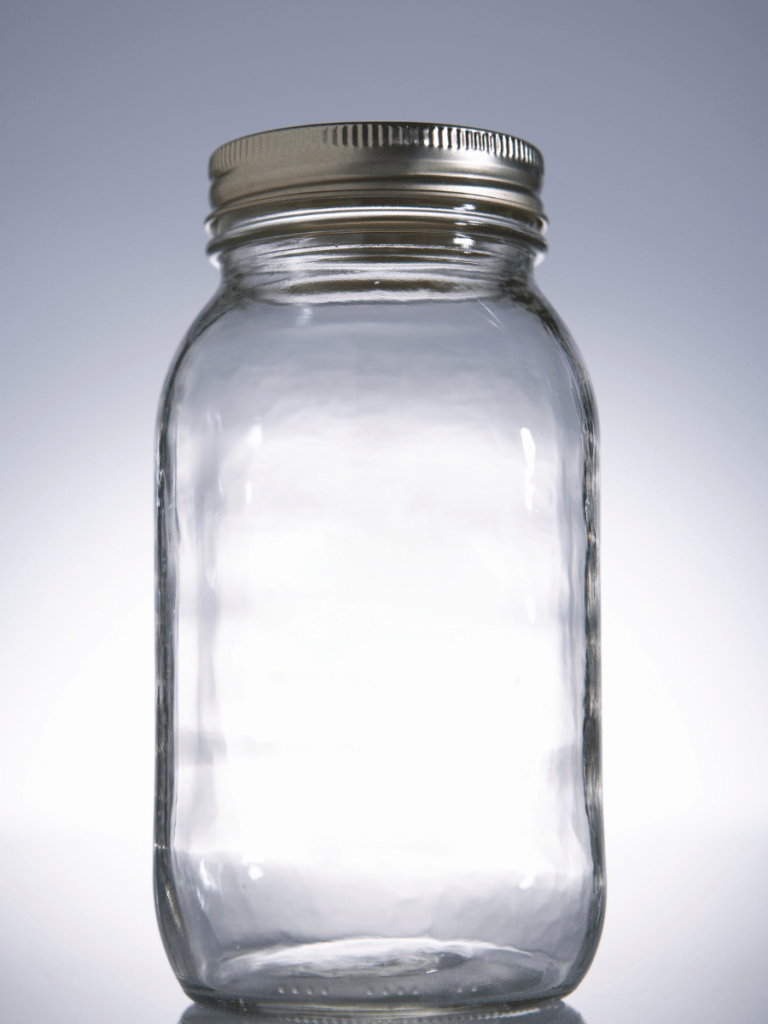
- Mason jars: For pantry staples like grains, nuts, and dried fruits.
How to Choose the Right Cooking Essentials for Your Kitchen
When choosing the right cooking essentials, start by considering your cooking style and the recipes you use most often. The goal is to select tools that suit your needs and make your time in the kitchen more efficient and enjoyable.
Focus on quality over quantity. It’s better to invest in a few high-quality tools that will last for years and perform well, rather than filling your kitchen with cheaper, less effective items that lead to frustration. Start with the basics, and gradually expand your collection as your skills and preferences develop.
Look for versatile tools that can perform multiple functions, saving you both time and space. For example, my immersion blender is one of my favorite tools because it can blend soups and whisk sauces effortlessly. However, it also came with a food processor attachment that I found redundant—I already have a full-sized food processor that handles larger batches more efficiently. Over time, I realized it was better to let go of the attachment and keep only what I truly use.
For beginners, I recommend starting with an immersion blender, a good-quality pan, a sheet pan, and a sturdy set of wooden spoons. These essentials cover a wide range of basic cooking tasks and will set you up for success in the kitchen.
Lastly, don’t be afraid to declutter your kitchen. Tools you rarely use only take up valuable space and can complicate your workflow. By keeping your collection streamlined, you’ll make cooking more enjoyable and less overwhelming.
On a personal note, I wish I had invested in a high-powered blender sooner. We recently bought a Vitamix, and I use it constantly. It blends everything with ease and has been a game-changer in my kitchen!
Budget-Friendly Options for Beginners
Building a functional kitchen doesn’t have to break the bank. With a bit of strategy and resourcefulness, you can find budget-friendly options that still deliver excellent results. Here are a few tips to get you started:
- Start Small and Build Gradually: You don’t need to buy everything at once. Begin with a few versatile tools, like a basic chef’s knife, a cutting board, and a nonstick skillet. These can handle most of your everyday cooking needs. As you become more comfortable in the kitchen, you can slowly add more specialized tools.
- Shop Secondhand: Thrift stores, garage sales, and online marketplaces like Facebook Marketplace or eBay are great places to find gently used kitchen tools at a fraction of the cost. Look for high-quality brands; even used, they often perform better than cheaper new items.
- Look for Deals and Sales: Keep an eye out for discounts at big-box stores, end-of-season sales, or online promotions. Many kitchen essentials go on sale during holidays, which is a perfect time to snag quality items for less.
- Consider Multi-Purpose Tools: Tools that serve multiple functions can save both money and space. For example, a Dutch oven can be used for baking bread, making soups, or slow-cooking stews, reducing the need for multiple pots.
- Invest in Starter Sets: Many brands offer starter kits for items like knives, pots, or utensils. These sets often provide a good balance of quality and affordability, giving you several tools at once without the high cost of buying each piece individually.
- DIY Solutions: In some cases, you can get creative and substitute tools. For example, a rolling pin can be replaced with a clean glass bottle, or you can use a fork to mash ingredients instead of a potato masher.
Remember, the key is to prioritize functionality over aesthetics. A well-stocked kitchen doesn’t need to be flashy; it just needs to work for you. Start with the basics, seek out good deals, and upgrade over time as your budget allows.
Caring for Your Cooking Essentials
Proper care and maintenance of your kitchen essentials not only prolongs their lifespan but also ensures they perform at their best. Here are some tips to keep your tools in tip-top shape:
- Knives: Always hand wash your knives with warm, soapy water and dry them immediately to prevent rust or damage. Avoid putting them in the dishwasher, as the heat and detergent can dull the blades. Store knives in a knife block or on a magnetic strip to keep the edges sharp and prevent accidents.
- Cookware: For nonstick pans, use gentle utensils like silicone or wood to prevent scratching. Avoid high heat, which can degrade the nonstick coating. Cast iron skillets require seasoning to maintain their nonstick surface—clean them with hot water and dry them thoroughly before applying a thin layer of oil.
- Wooden Utensils and Cutting Boards: Wash wooden tools by hand and never soak them in water, as this can cause warping or cracking. To keep them in good condition, periodically rub them with beeswax.
- Small Appliances: Wipe down your appliances regularly to prevent buildup. For blenders and food processors, disassemble and clean all parts after use. Ensure they are completely dry before reassembling to avoid mold or mildew.
- Baking Sheets and Glassware: Line baking sheets with parchment paper or silicone mats to reduce wear and make cleanup easier. For glassware, avoid drastic temperature changes that could cause cracking—let them cool to room temperature before washing.
- Storage: Store your tools in a clean, dry place to prevent rust or damage. Use drawer organizers to keep utensils tidy and easily accessible.
With proper care, your kitchen essentials will remain reliable and ready to help you create delicious meals for years to come!
Final Thoughts
Investing in the best cooking essentials is an investment in your time, your skills, and the quality of the food you prepare. High-quality tools make cooking more efficient and enjoyable, and they often pay for themselves in durability and performance over the years. Whether you’re a beginner or a seasoned cook, having reliable essentials can transform your kitchen experience.
Take a moment to inventory your current kitchen tools. Are there items you rarely use or tools that don’t work as well as they should? Consider upgrading those pieces gradually as your budget allows. Even small changes, like replacing a dull knife or adding a new baking sheet, can make a significant difference in your cooking routine.
Lastly, I’d love to hear from you! What are your favorite kitchen tools? Do you have any essentials you can’t live without? Share your thoughts in the comments below and let’s continue the conversation!
This post was all about the best cooking essentials for a from scratch kitchen.